Patients who continue to have concussion symptoms more than 30 days after a concussion have historically been diagnosed with post-concussion syndrome (PCS). In recent years, researchers and clinicians have been looking outside the brain for potential causes and treatments for patients who continue to struggle with persistent headache, dizziness, brain fog, or visual issues after taking a head injury.
Greater emphasis has been placed on the role of the neck in generating many of these symptoms, and as a result patients have been seeking out chiropractic and physical therapy. While many patients with cervical injury after a concussion improve with conservative care, some patients may still continue to struggle.
Case Reports:
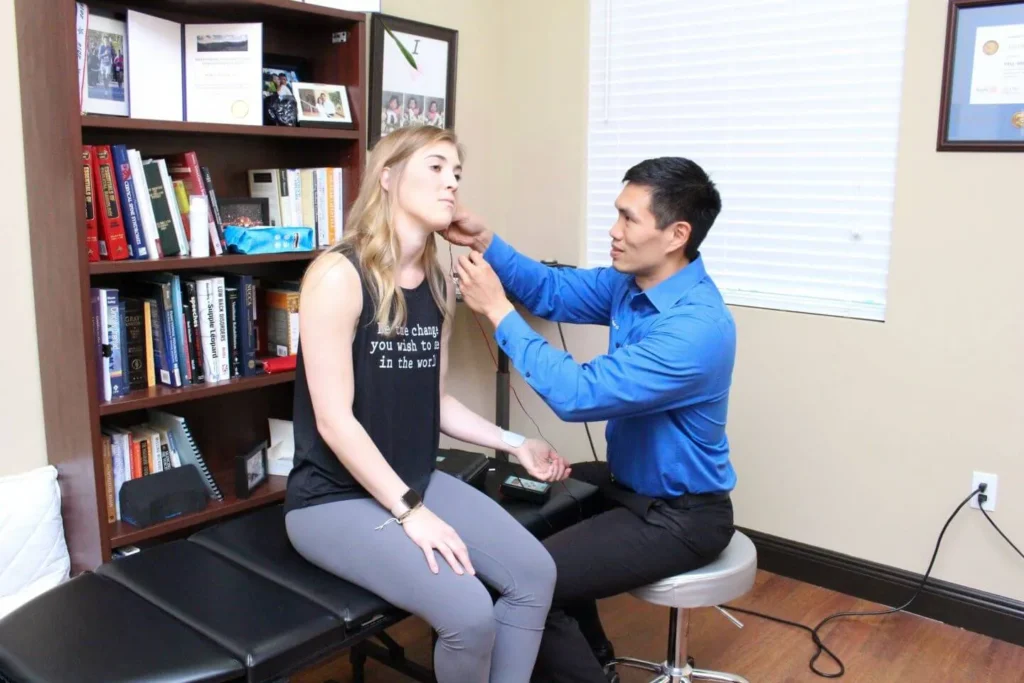
A 2019 case series performed at Keystone Chiropractic looked at patients who had persistent headache and dizziness following a concussion who sought traditional full spine chiropractic care. Both patients experienced minimal improvement in concussion symptoms after months of chiropractic care and were referred for evaluation for NUCCA upper cervical chiropractic care.
After 2 weeks of NUCCA adjustments, both patients reported significant improvement in dizziness symptoms and migraine headaches. One patient experienced complete resolution of migraine type headaches following 2 months of care while another patient had episodic migraines that were effectively managed with continued upper cervical care.
Even if Chiropractic was tried, Upper Cervical may be worth a look
This study doesn’t mean that one form of chiropractic is more effective than another for concussion patients. What it might suggest is that a different chiropractic technique approach may be useful for some patients than others, and with a condition like concussion, sometimes a lower force approach like NUCCA may make a difference.